San Jose del Cabo International: The Only Realistic Option
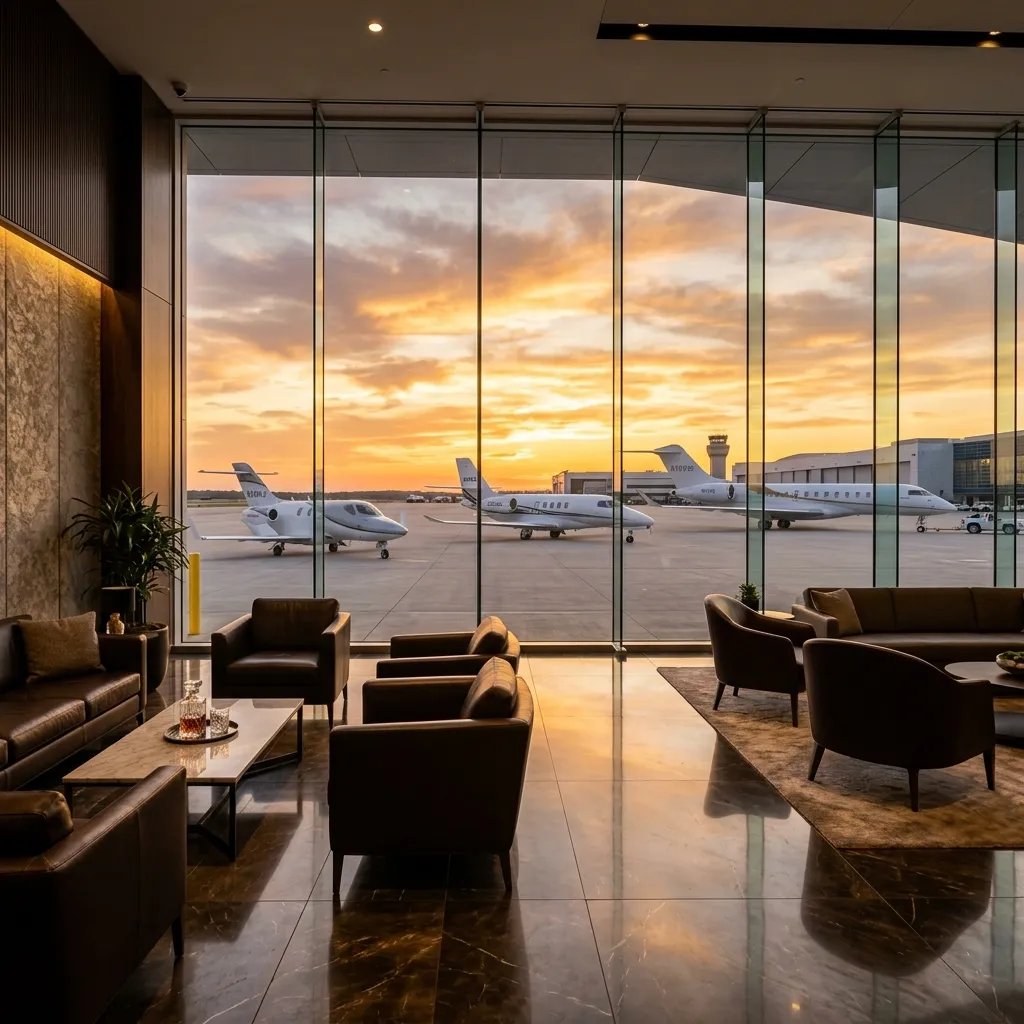
San Jose del Cabo International Airport (SJD/MMSD) handles virtually all private jet traffic to the Los Cabos corridor. The airport sits 12 miles northeast of Cabo San Lucas and 6 miles from the San Jose del Cabo hotel zone. A single 9,843-foot runway (Runway 16/34) accommodates everything from Phenom 300s to Global 7500s with no payload restrictions. Elevation is 374 feet MSL, so density altitude is rarely a factor.
There is no secondary private aviation airport in the Los Cabos area. Unlike destinations like Miami (OPF, FXE, MIA) or New York (TEB, HPN, FRG), Cabo offers one airport. During peak season, that single point of entry creates ramp congestion that can delay departures by 30 to 60 minutes. Slot reservations are strongly recommended between December 15 and April 15.
FBO Options and Ground Handling
SJD has two primary FBO operations serving private aviation: Baja Air Center and Universal Aviation's ground handling partner. Baja Air Center is the established local operator with a private terminal, crew lounge, and customs facilitation. Universal provides international trip support coordination, which matters when your flight originates from a U.S. airport that does not have a CBP pre-clearance facility.
Customs and Immigration
Every private flight arriving from the U.S. clears Mexican customs and immigration at SJD. The process takes 20 to 45 minutes for groups under 10 passengers. The FBO pre-files passenger manifests and handles general declarations. Passengers need valid passports. Tourist cards (FMM) are typically arranged by the FBO or handling agent. A $30 USD immigration fee per passenger applies.
Fuel Pricing
Jet-A at SJD averages $7.80 to $9.20 per gallon, roughly 25-35% above U.S. FBO averages. Most operators tankering from the U.S. departure point, carrying enough fuel for the round trip, to avoid paying Cabo's fuel premium. A Challenger 350 can tanker enough fuel for the return leg from Dallas or Los Angeles without payload penalty. From New York, the math is tighter.
Charter Costs from Major U.S. Cities
Cabo is an international destination requiring overflight and landing permits for Mexico. Charter operators build permit costs into quotes, but the permitting process adds 48 to 72 hours of lead time. Last-minute bookings (under 48 hours) may face permit delays or premium rush fees of $500 to $1,500.
These estimates cover a one-way charter on a midsize to super-midsize jet. Round-trip pricing typically offers 10-15% savings versus two one-ways. Positioning fees from the operator's home base are the largest variable. West Coast operators quoting Cabo trips have shorter repositioning legs, which keeps pricing competitive.
Seasonal Patterns and Availability
Cabo's peak charter season runs from late November through April. Whale-watching season, the Cabo San Lucas Billfish Tournament (October), and New Year's Eve are the highest-demand periods. During the last week of December, available inventory drops to near zero on midsize and larger jets. Operators report that G650 and Global 7500 availability for Cabo during holiday weeks is typically booked 4 to 6 weeks in advance.
May through October is Cabo's off-season, but daytime temperatures average 85-95°F and resort occupancy remains high. Charter rates drop 15-25% from peak pricing. Empty-leg availability from Cabo back to Los Angeles, Phoenix, and Dallas increases substantially during summer months.
Hurricane season runs June through November. SJD sits on the Baja Peninsula's southern tip, which is less exposed than Mexico's Pacific coast further north. Major hurricanes reaching Cabo are rare but not unprecedented. Hurricane Odile in 2014 severely damaged the airport. Charter operators monitor weather closely and will recommend departure timing adjustments when tropical systems develop.