Ramp Fees: The Entry Charge Nobody Explains
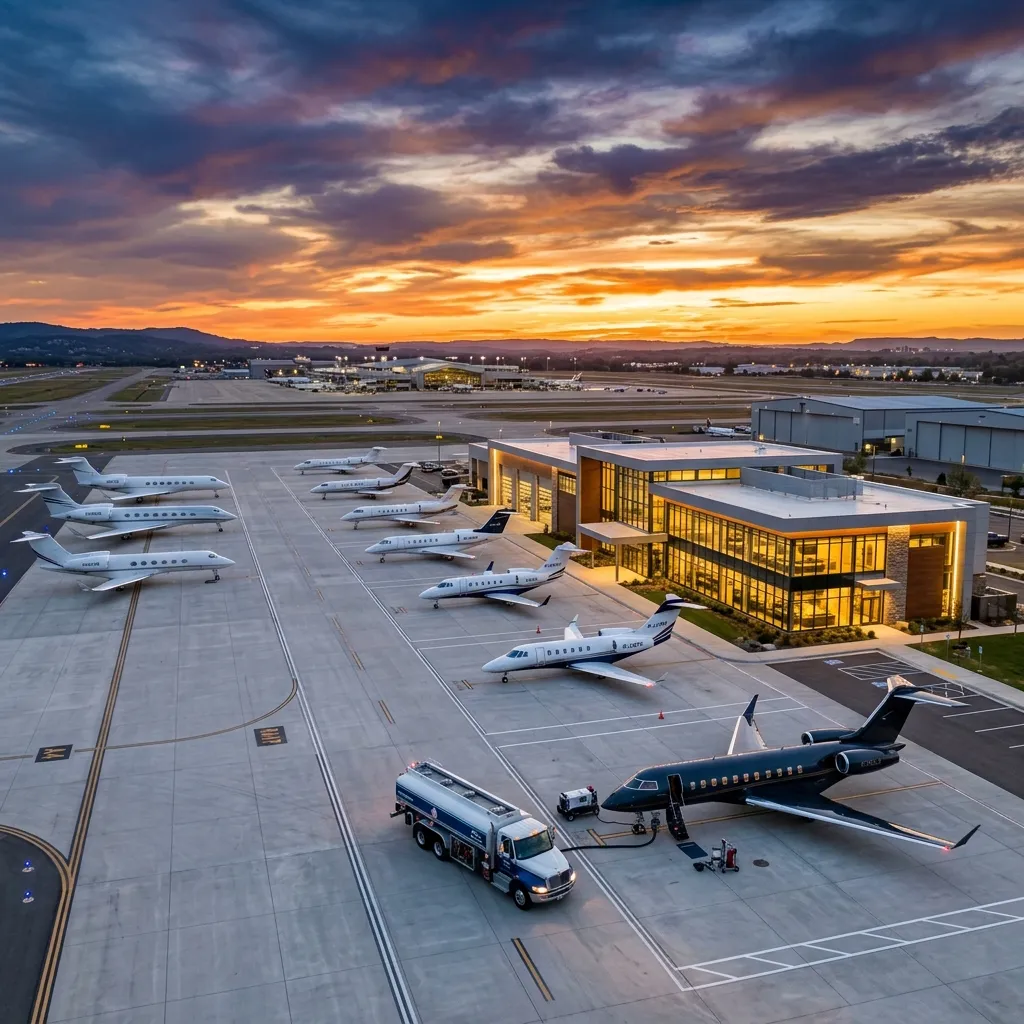
A ramp fee is what an FBO charges your aircraft simply for parking on its concrete. The fee exists because FBOs lease ramp space from the airport authority, and that lease cost must be recovered. Ramp fees at busy private jet airports typically run $150 to $800 for light and midsize jets. At premium locations like Teterboro (TEB), Aspen (ASE), or Palm Beach (PBI) during peak season, ramp fees can exceed $1,500 for large-cabin aircraft.
The critical detail most passengers miss: ramp fees are almost always waivable with fuel purchase. An FBO charging a $500 ramp fee will typically waive it if you buy 100 or more gallons of Jet-A. At $7.00 per gallon, that is $700 in fuel. The FBO earns more on the fuel sale than the ramp fee would have generated.
If your charter operator is paying ramp fees instead of buying fuel, something has gone wrong with the trip planning. Either the aircraft arrived with full tanks from a cheaper fuel stop, or the operator is prioritizing speed over cost.
Ramp fees are assessed per visit, not per day. If your jet lands, you deplane, the aircraft repositions, and then returns three days later, that counts as two separate FBO visits and two potential ramp fees.
Ground Handling: Services and Pricing Tiers
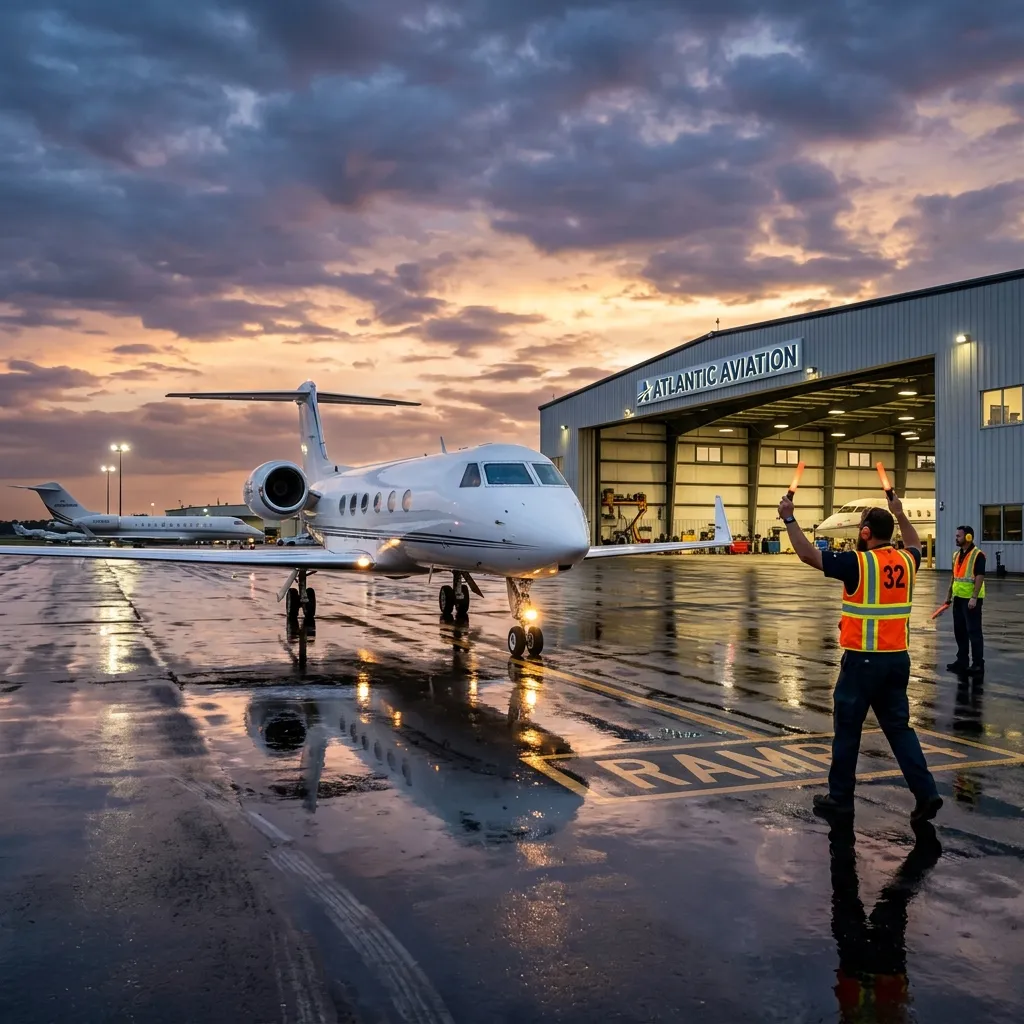
Handling fees cover the physical services an FBO provides: marshalling the jet to its parking position, chocking wheels, connecting ground power (GPU), arranging lavatory service, and coordinating catering delivery. Basic handling runs $200 to $500 at most FBOs. Premium handling adds cabin cleaning, ice, newspapers, and crew car service for $400 to $1,200.
International handling commands a significant premium because the FBO coordinates customs and border protection agents, files required passenger manifests, and manages immigration paperwork. At airports of entry like Teterboro or Opa-locka (OPF), international handling fees range from $500 to $2,000 depending on passenger count and origin country.
Fuel Flowage: Where FBOs Actually Make Their Money
FBOs make the majority of their revenue from fuel sales. The fuel flowage model: the FBO purchases Jet-A wholesale at $4.00 to $5.50 per gallon, marks it up to $6.00 to $9.00 at the pump, and keeps the spread. That $2.00 to $4.00 per gallon margin, multiplied by thousands of gallons daily at a busy airport, pays for the marble lobby and crew lounge.
Fuel pricing varies dramatically by location. Van Nuys (VNY) and Teterboro routinely charge $7.50 to $9.00 per gallon. A regional airport in Kansas might sell Jet-A for $5.50 to $6.50. Experienced operators exploit this asymmetry by tankering: filling up at cheaper stations and carrying enough to avoid purchasing at expensive destinations.
Fuel Flowage Minimums
Many FBOs impose flowage minimums requiring a purchase of 50 to 200 gallons per visit. If your aircraft does not need fuel, you pay a fee equivalent to the minimum purchase margin anyway. This prevents operators from tankering past the FBO's revenue model entirely. Flowage minimums are most common at high-traffic airports where ramp space is limited.
Flying Through an Unfamiliar FBO?
We coordinate ground handling, fuel, and ramp logistics at every destination.
Request a Flight →Overnight Parking, Hangars, and Multi-Day Stays
Overnight ramp parking runs $75 to $350 per night depending on airport and aircraft size. A Citation CJ3 at a mid-tier airport might park for $75 per night. A Gulfstream G650 at Teterboro during December costs $250 to $350 per night on the ramp. A four-night stay at a premium airport adds $1,000 to $1,400 to the ground bill.
- Ramp parking (overnight): $75-$350/night. Aircraft sits outside, exposed to weather.
- Heated hangar: $500-$2,500/night. Required in winter at northern airports to avoid de-icing costs.
- Hangar waitlist: At ASE during ski season or TEB during holidays, hangars sell out weeks in advance.
- Extended stay discounts: Some FBOs offer weekly rates for stays exceeding 5-7 nights, typically 10-20% off.
Hangar availability is a genuine operational constraint during peak periods. An operator positioning a G650 to Aspen for ski week without pre-arranged hangar space is gambling on $3,000 to $5,000 in cumulative de-icing charges. The hangar fee would have been cheaper.
Who Actually Pays FBO Fees on a Charter?
On an ad-hoc charter, FBO fees are paid by the operator and passed through to the passenger. Some operators bundle all ground costs into the hourly rate. Others itemize separately. All-inclusive operators absorb FBO fees into their hourly rate, which is why their posted rate may appear higher than competitors.
A $5,800 per hour all-inclusive rate covers fuel, crew, handling, and ramp fees. A $4,200 per hour base rate from another operator might become $5,900 after fuel surcharges, FBO fees, and segment charges. The effective cost is similar. The transparency is not.
Jet Card and Fractional Ground Cost Treatment
NetJets' Marquis Jet Card includes all domestic FBO fees in the hourly rate. Sentient Jet includes standard handling but passes through premium FBO charges at airports like ASE and TEB. Wheels Up includes handling but may apply surcharges for peak-period ramp fees. Always confirm which ground costs are covered before comparing programs.
For aircraft owners, FBO fees come directly from the operating budget. An owner flying 200 hours per year making 100 FBO stops might spend $40,000 to $80,000 annually on ground handling, fuel markups, parking, and occasional hangar rentals.
Three Strategies Operators Use to Cut Ground Costs
Professional operators reduce FBO costs through contract fuel programs, FBO loyalty agreements, and strategic fuel tankering.
- Contract fuel (Colt, Avfuel, World Fuel): Volume discounts of $0.30-$0.75/gal below posted retail. On 500 gallons, that saves $150-$375 per fuel stop.
- FBO loyalty agreements: Committing 50,000+ gallons annually to Signature, Atlantic, or Jet Aviation unlocks preferred handling rates, waived ramp fees, and priority hangar access.
- Fuel tankering: Filling up at a cheaper station and carrying extra fuel to the destination. A Challenger 350 buying fuel in Wichita at $5.50/gal instead of Teterboro at $8.50/gal saves $3.00/gal on 300 gallons, roughly $540 net after accounting for extra fuel burn.
These strategies are invisible to passengers but directly affect charter pricing. An operator with strong fuel contracts and FBO relationships can price 5 to 10% below competitors on the same routes. When you receive an unusually competitive quote, efficient ground-side cost management is often the explanation.