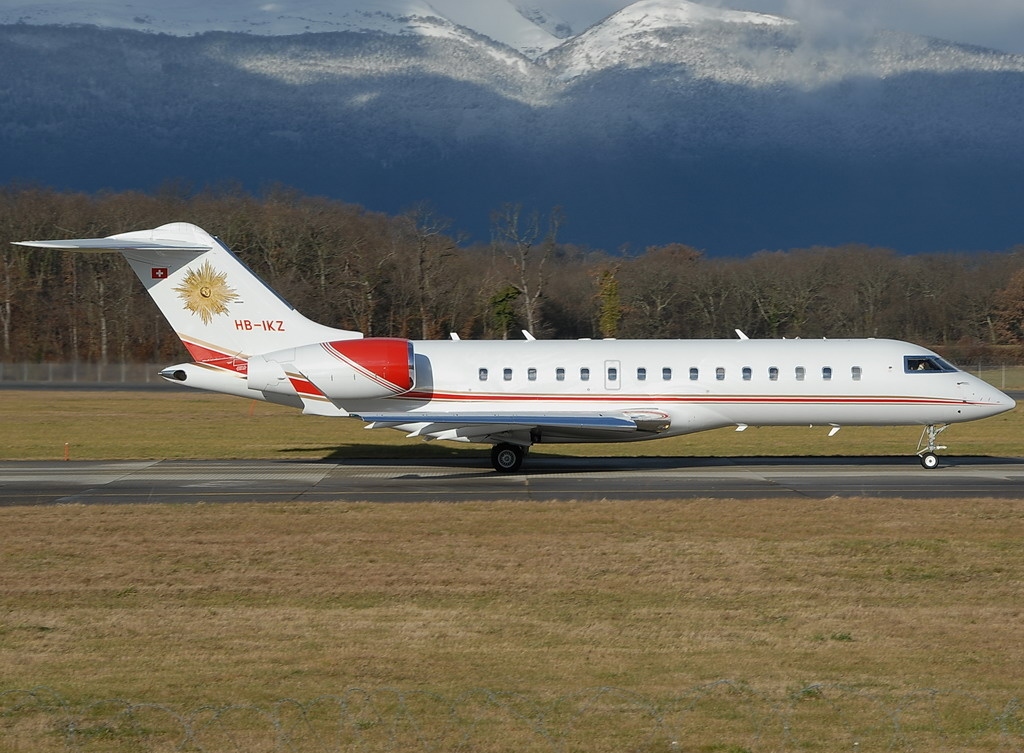
G-FOMO Aircraft Overview
G-FOMO is a RAYTHEON Bombardier Global Express registered in United Kingdom under serial number on file. Classified as an ultra-long-range heavy jet, this airframe operates at the top of the business aviation market, serving intercontinental missions that most platforms cannot reach nonstop. Ownership information is held by the UK CAA in United Kingdom.
Bombardier Global Express Market Position
The original Global Express defined the ultra-long-range category when it entered service in 1999. Its 6,150-nautical-mile range and wide-body cabin established the template that every subsequent competitor followed. While production ended in favor of the 5000/6000 series, the airframe remains a capable platform with a large worldwide operator base.
Performance Profile
The Bombardier Global Express was designed for one purpose: eliminating fuel stops on the longest legs in private aviation. At a high-speed cruise of 499 knots, it covers 5,900 nautical miles without refueling, connecting city pairs like New York to Dubai or Los Angeles to London direct. The 51,000-foot service ceiling keeps it above airline traffic and convective weather. Power comes from 2x Rolls-Royce BR710 A2-20.
Mission Profile
Ultra-long-range aircraft like the Bombardier Global Express serve a narrow but demanding segment: principals who require nonstop intercontinental capability without compromising cabin space or operational reliability. The cabin footprint, typically configured for 16 passengers with lie-flat seating and full galley service, supports productive work or rest over flights exceeding 12 hours.
Charter & Availability
G-FOMO is registered in United Kingdom under the UK CAA. Contact The Jet Finder to inquire about charter availability for this aircraft or similar Bombardier Global Express platforms worldwide.
Insider Note
On ultra-long-range missions, fuel load directly impacts payload. A Bombardier Global Express departing at maximum fuel will carry fewer passengers and less baggage than on shorter legs. Discuss weight-and-balance planning with your operator before committing to a route that pushes the aircraft's published range.