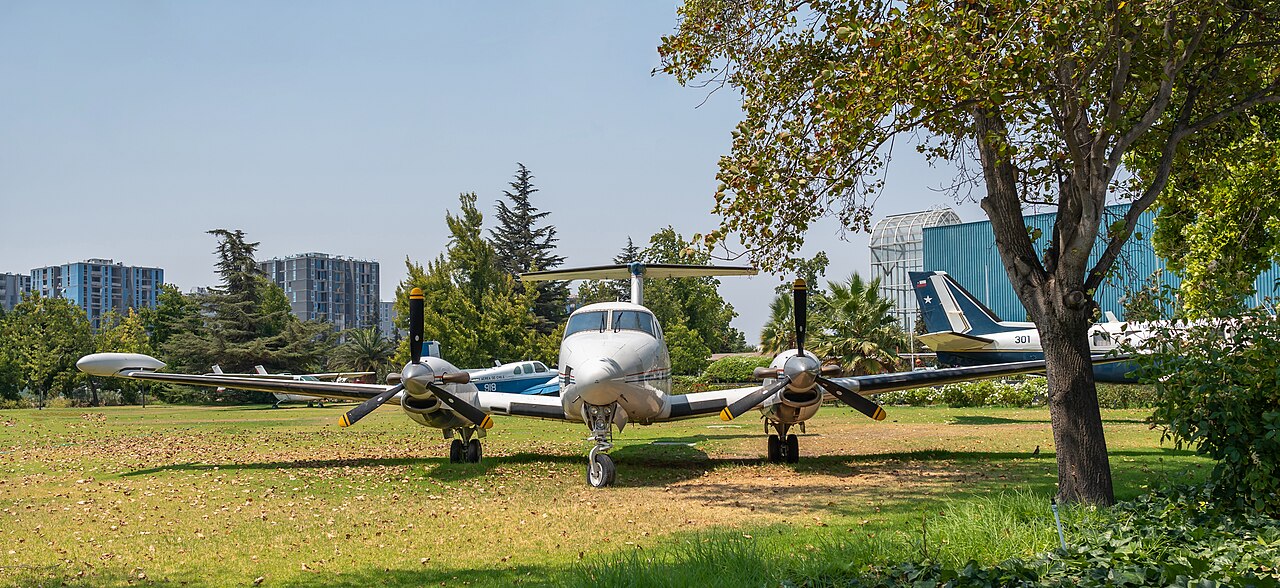
King Air 300 Overview
The King Air 300 is a turboprop manufactured by Beechcraft (Textron Aviation), produced from 1983-1990. Classified as a mid-cabin aircraft, the King Air 300 carries up to 9 passengers at a maximum cruise speed of 312 knots with a range of 1,750 nautical miles — placing it squarely in the charter and corporate flight segment for cross-country domestic missions.
The Jet Finder's aircraft directory currently tracks 10 active King Air 300 registrations in the FAA Aircraft Registry. Each tail number page below provides individual registration data, serial numbers, ownership records, and specification details sourced from official FAA documentation.
Performance & Powerplant
Power comes from 2x Pratt & Whitney Canada PT6A-60A, each producing 1,050 SHP each of thrust. Maximum cruise speed reaches 312 knots (undefined), with a long-range cruise of 280 kts for missions where fuel efficiency matters more than speed. The service ceiling of 35,000 feet puts the King Air 300 well above commercial traffic corridors, and a takeoff distance of 3,100 ft keeps smaller airfields accessible.
With 1,750 nautical miles of range under standard reserves, the King Air 300 handles regional cross-country routing — New York to Miami, Chicago to Dallas, or Los Angeles to Seattle. Typical hourly operating costs range from $1,600-$2,200 per flight hour.
Cabin & Interior
The King Air 300 cabin measures 16.7 ft long, 4.5 ft wide, and 4.8 ft tall. Standard configurations seat up to 9 passengers, with 55 cu ft of externally accessible baggage capacity. The Collins Pro Line II avionics suite provides full IFR certification for all-weather operations.
Evolution & Market Position
Bridge between King Air 200 and 350 families. For those considering acquisition or evaluating options to sell, understanding the transition between variants is essential for informed decision-making. Well-maintained King Air 300 aircraft remain sought after in the pre-owned market, with strong demand from both private owners and charter operators.

Inquire About a King Air 300
Whether you're evaluating a charter flight or an acquisition, our aviation advisors can connect you with a King Air 300 that matches your mission profile. We have access to more than 15,000 private aircraft worldwide.
Contact UsDetailed Specifications
Aircraft Identity
| Manufacturer | Beechcraft (Textron Aviation) |
|---|---|
| Model | King Air 300 |
| Category | Turboprop |
| Cabin Class | Mid |
| Production Years | 1983-1990 |
| Successor | King Air 350 |
| Registered Fleet | 10 aircraft (FAA) |
Performance & Capabilities
| Engines | 2x Pratt & Whitney Canada PT6A-60A |
|---|---|
| Thrust | 1,050 SHP each |
| Max Cruise Speed | 312 knots |
| Long-Range Cruise | 280 kts |
| Max Range | 1,750 NM |
| Service Ceiling | 35,000 ft |
| Takeoff Distance | 3,100 ft |
| Passengers | Up to 9 |
| Cabin Dimensions | 16.7 ft × 4.5 ft × 4.8 ft |
| Baggage | 55 cu ft |
| Avionics | Collins Pro Line II |
| IFR Certified | Yes |
| Hourly Cost | $1,600-$2,200 |
| Typical Acquisition Price | Contact for pricing |
How the King Air 300 Compares
With a 1,750 NM range and 312 kt cruise speed seating up to 9, the King Air 300 competes directly with the Pilatus PC-12, King Air 350, and King Air 360 in the turboprop segment. The table below compares the figures charter clients and buyers weigh most — cruise speed, range, cabin capacity, and hourly operating cost.
| Aircraft | Cruise | Range | Passengers | Hourly Cost |
|---|---|---|---|---|
| King Air 300 (this aircraft) | 312 kt | 1,750 NM | Up to 9 | $1,600-$2,200 |
| Pilatus PC-12 | 285 kt | 1,845 NM | Up to 9 | $1,200-$1,800 |
| King Air 350 | 312 kt | 1,806 NM | Up to 11 | $1,800-$2,600 |
| King Air 360 | 312 kt | 1,806 NM | Up to 11 | $1,900-$2,800 |
Similar aircraft: King Air 350 · King Air 360 · Pilatus PC-12 · King Air 200 · Cessna Conquest II · Piaggio Avanti
King Air 300 Fleet Registry
Browse 10 registered King Air 300 aircraft currently tracked in the FAA Aircraft Registry. Each tail number links to a dedicated page with individual registration data, serial numbers, ownership records, and specifications.
10 Active RegistrationsFrequently Asked Questions About the King Air 300
14 questions answered about the King Air 300
The King Air 300 is classified as a Turboprop with a mid-cabin configuration, manufactured by Beechcraft (Textron Aviation).
The King Air 300 has a maximum cruise speed of 312 knots with a long-range cruise speed of 280 kts. Maximum operating Mach number is undefined.
The King Air 300 has a maximum range of 1,750 nautical miles under standard fuel reserves, connecting major city pairs nonstop.
The King Air 300 accommodates up to 9 passengers in a typical executive configuration.
The King Air 300 is powered by 2x Pratt & Whitney Canada PT6A-60A, producing 1,050 SHP each of thrust per engine.
The King Air 300 cabin measures 16.7 ft long, 4.5 ft wide, and 4.8 ft tall, with 55 cu ft of baggage capacity.
The King Air 300 is equipped with Collins Pro Line II avionics and is fully certified for IFR operations.
The King Air 300 has a maximum certified service ceiling of 35,000 feet, allowing operations above most commercial traffic and weather.
The King Air 300 requires approximately 3,100 ft of runway for takeoff at maximum takeoff weight under standard conditions.
The King Air 300 was manufactured from 1983-1990. Its successor is the King Air 350.
Typical hourly operating costs for the King Air 300 range from $1,600-$2,200 per flight hour, depending on utilization, maintenance program, and operational profile.
The Jet Finder's directory currently lists 10 King Air 300 aircraft with active U.S. FAA registrations. Browse the full fleet registry on this page.
Contact The Jet Finder to inquire about King Air 300 charter availability. We have access to more than 15,000 private aircraft worldwide, including multiple King Air 300 aircraft.
Bridge between King Air 200 and 350 families.
From Your First Mission to Your Final Acquisition
Whether you are looking to charter, acquire, or sell a King Air 300 — our team is standing by. We operate private aircraft and have access to more than 15,000 private aircraft worldwide.